How much does a new roof cost in Gloucester, MA?
Most asphalt shingle replacements on typical Gloucester capes and colonials fall somewhere between $15,000 and $26,000. Large, steep or complicated roofs cost more. Standing seam metal and cedar generally run $35,000 to $70,000 or more, and slate and copper cost more still. The biggest variables are pitch, the number of layers to tear off, the condition of the decking and access. We list a separate decking allowance in every quote, because older homes near the harbor often have rotted plank sheathing that nobody can see until the old roof is off. Financing is available.
How long does a roof replacement take?
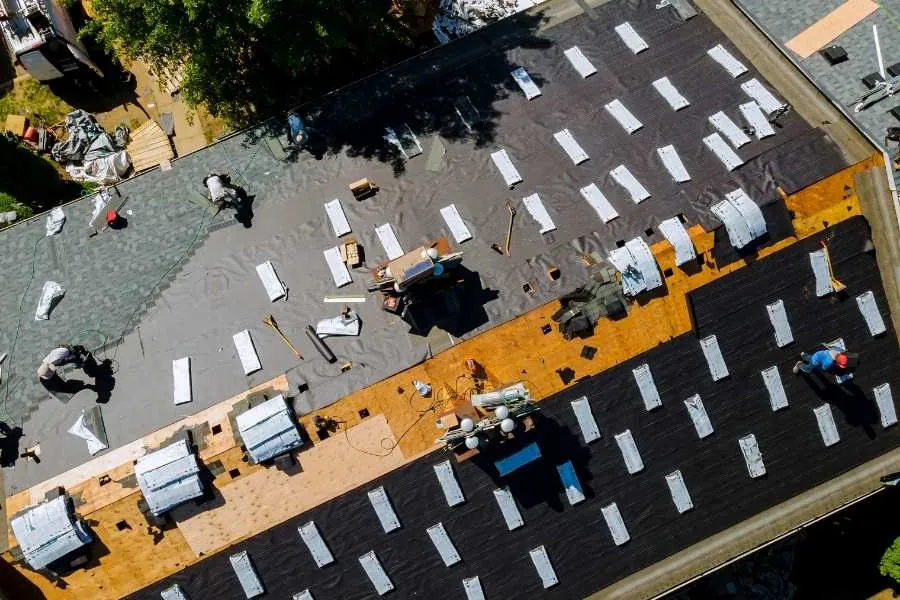
Most residential asphalt replacements take one to four working days once materials are delivered. Steep Victorians, multi-dormer colonials and cedar, slate or metal roofs can take a week or more. Before work starts, the permit has to be issued, and in a historic district the commission review can add several weeks. Spring and fall are the busiest seasons on the North Shore, and demand spikes after big storms, so it's smart to book early. We can do winter replacements on mild, dry days with the right precautions.
Do I need a permit to replace my roof in Massachusetts?
Yes. Massachusetts requires a building permit from your local building department for re-roofing, and the work has to meet the state building code (780 CMR). That code requires ice-and-water barrier at the eaves and generally limits roofs to two layers of shingles. For owner-occupied 1–4 family homes, the state's Home Improvement Contractor Law requires a written contract and limits deposits. If your home is in a local historic district, such as Salem's McIntire district, Marblehead's Old and Historic District or parts of Newburyport, changing visible materials can also require commission approval. We handle the building permit for you.
How can I prevent ice dams on my roof?
Ice dams start inside the house. Warm air leaking into the attic melts snow on the roof, and the water refreezes at the cold eaves. The lasting fix is air-sealing the attic floor, adding insulation and balancing ventilation so the roof deck stays cold. Ice-and-water barrier at the eaves keeps backed-up water from getting in. Heat cable helps at chronic trouble spots. After heavy snow, safely raking the lower few feet of the roof also reduces the risk. Many older capes in West Gloucester and Riverdale need a combination of these steps.
When should I call a roofer instead of waiting?
Call right away if water is coming in, if you can see bare underlayment or decking, or if shingles or ridge caps blew off in a storm. Also call if ice dams are building and you see stains on walls or ceilings. Waiting lets water soak insulation, rot decking and grow mold. Schedule an inspection soon if your roof is more than 20 years old, if you see rust streaks or loose flashing, if you notice granules collecting in gutters, or if your insurer has asked about roof age. Before nor'easter season is the ideal time to catch problems.
Is metal roofing a good choice for a coastal Gloucester home?
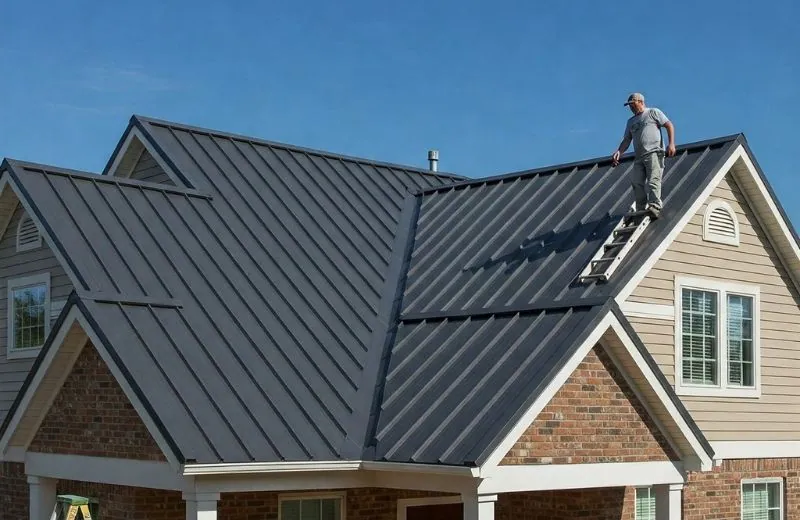
For many homes, yes. Standing seam metal holds up well to high winds, sheds snow (which cuts down on ice dams) and lasts much longer than asphalt. On oceanfront properties, the material and finish really matter. We choose panels and coatings, or aluminum, suited to salt exposure, and we pair them with compatible flashing so the metals don't corrode each other. Metal costs more upfront. If you're in a historic district or private association, check whether metal is allowed before you decide.
Should I repair or replace my roof?
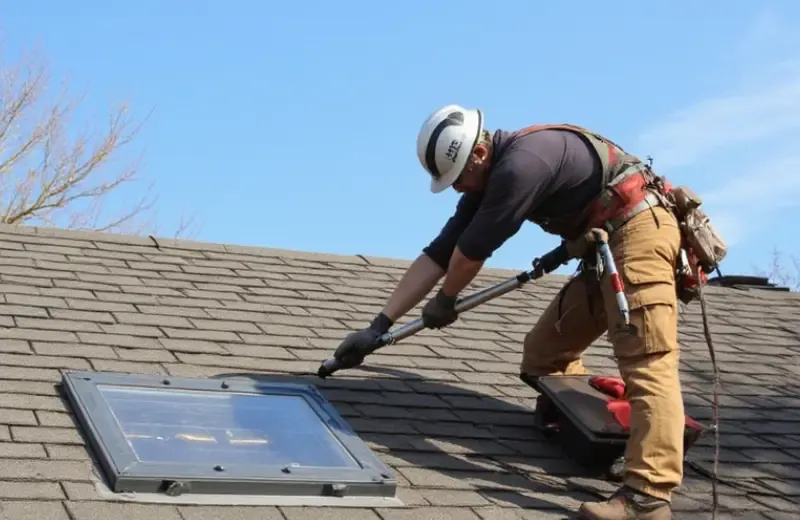
It depends on the roof's age, how widespread the damage is and what's underneath. A leak at a chimney or skylight is usually a flashing repair, not a sign you need a new roof. If the shingles are curling, losing granules everywhere, already have two layers or keep leaking in different places, replacement usually costs less over time. After our detailed inspection, we give you clear options with photos, so you can see why we recommend repair or replacement and decide for yourself.
Will you work with my insurance after storm or ice dam damage?
We document wind and ice dam damage with detailed photos and a written scope, which is exactly what adjusters ask for. If you need emergency tarping, we photograph the damage before covering it so the evidence is preserved. Coverage decisions are up to your insurer, but good documentation makes the claim process smoother. We'd also suggest being careful with out-of-area crews who go door to door after nor'easters asking for large deposits. A local, bonded and insured contractor will still be here after the claim is settled.